
Emeryville, California · Bay Area storm roofing guide
Storm Damage Roof Repair in Emeryville, CA
What to check after wind-driven rain, roof leaks, blocked drains, or falling debris.
Learn how storm damage affects Emeryville homes and commercial properties, when repairs are urgent, and what to document before requesting a roofing estimate.
Request a Roof AssessmentExplore Our Roofing Services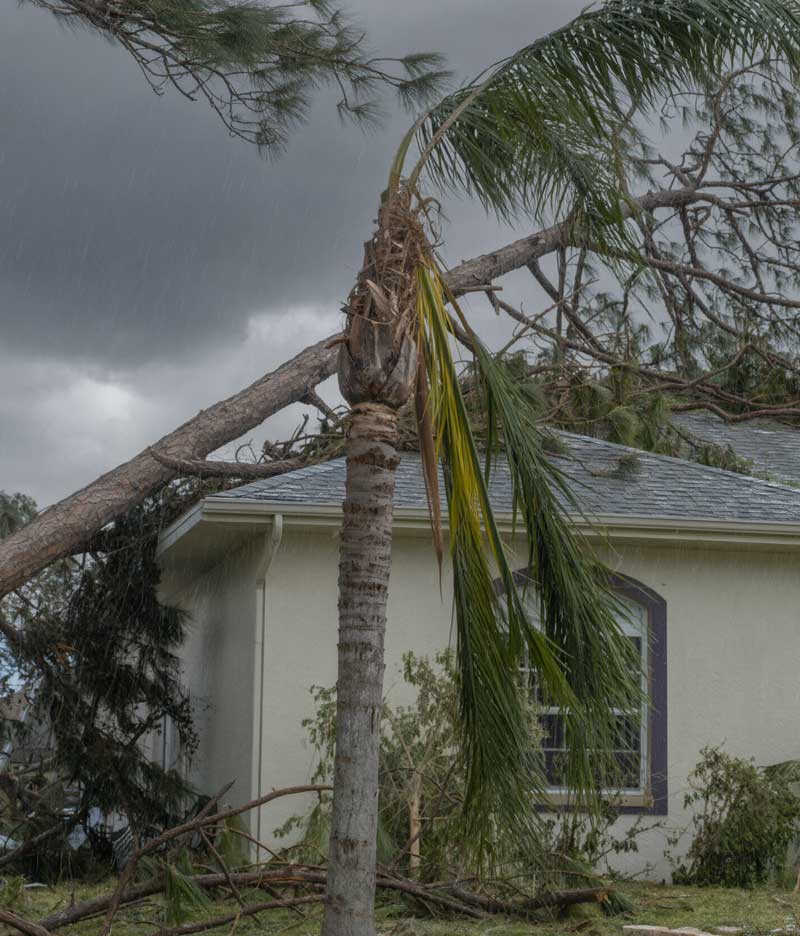
Quick answer
How should Emeryville property owners respond to storm-related roof damage? First, stay off the roof and check for hazards. Record any leaks, displaced roofing, or debris from a safe place. Limit indoor water damage where possible and arrange an inspection. A contractor can determine whether the problem is isolated to flashing or drainage, or whether larger roof sections need attention.
Emeryville’s combination of waterfront exposure, dense development, and varied building ages means storms can affect different roof systems in different ways. Wind-driven rain may exploit aging seams and flashing, while leaves and debris can restrict drainage on low-slope roofs. Ark Roofing & Construction helps owners assess roofing conditions and plan appropriate work.
How Do Bay Area Storms Damage Emeryville Roofs?
Strong gusts and repeated rain can expose weak points even when the roof looks intact from the street. The failure point is often a seam, edge, penetration, or drainage component rather than a large visible hole.
Wind-lifted roofing
Gusts can loosen shingles, ridge caps, perimeter edges, and flashing. On membrane systems, compromised seams or edge metal may permit water intrusion.
Wind-driven rain
Rain pushed sideways can enter around skylights, vents, wall intersections, and improperly sealed penetrations. Interior staining may appear away from the entry point.

Four Problems Worth Checking After Heavy Rain
Ponding and slow drainage
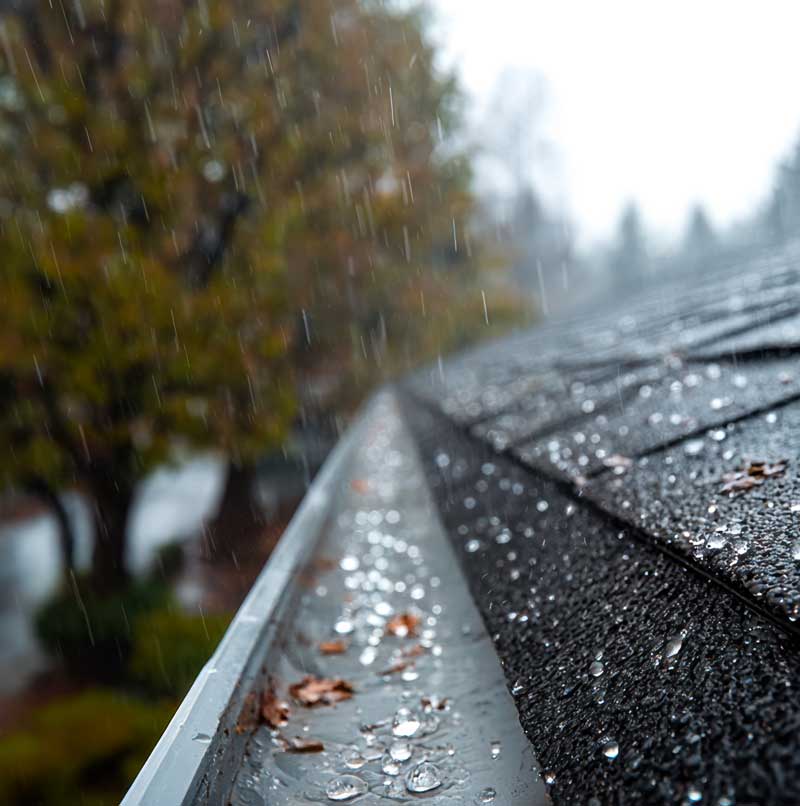
Standing water on a low-slope roof may indicate blocked drains, poor slope, or an underlying drainage issue. Persistent ponding warrants evaluation.
Displaced flashing
Loose counterflashing, parapet caps, and metal edges can let wind-driven rain reach the roof assembly.
Debris and branch impact
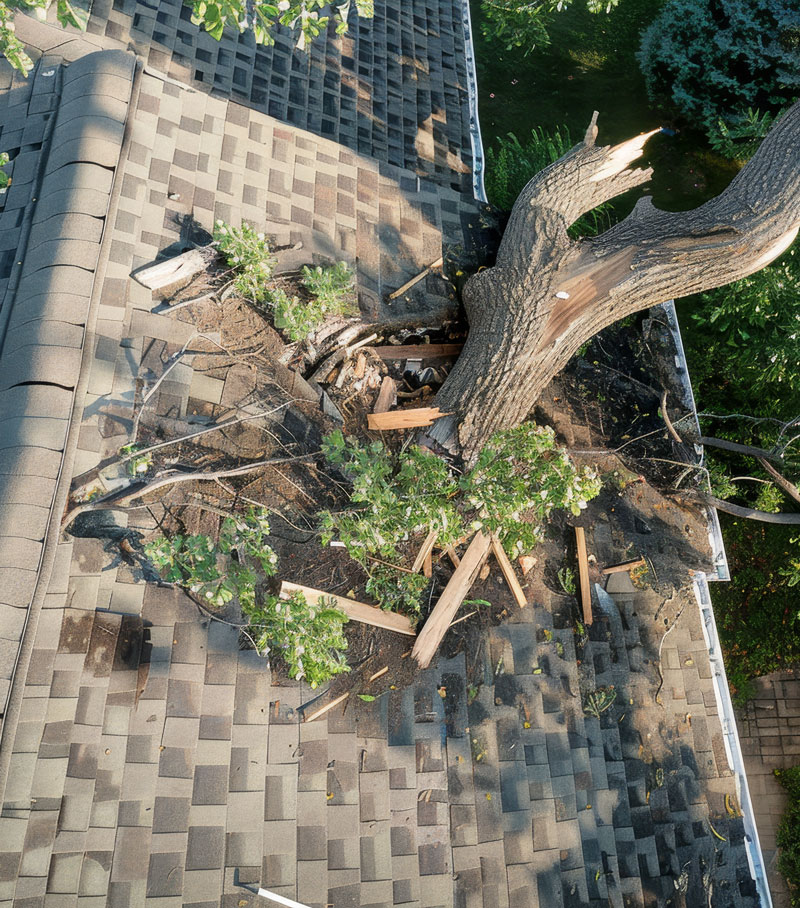
Fallen limbs or airborne debris can puncture roofing, damage gutters, and affect decking or other components.
Ceiling stains and damp insulation
Water marks, odors, and wet insulation may point to a leak that started before the stain became visible.
What to Do in the First 24 Hours
Document conditions promptly, but do not put yourself at risk to obtain photographs.
Check for hazards
Stay clear of fallen wires, unstable trees, sagging ceilings, and wet electrical fixtures. Do not climb onto the roof.
Record evidence
Take date-stamped photos of interior leaks, damaged materials, fallen debris, and visible roof changes from safe locations.
Reduce exposure
Move belongings, collect drips where safe, and ask a qualified professional about temporary weather protection.
Keep invoices and inspection notes. If you plan to file an insurance claim, review your policy and report the loss according to its requirements.
Why Low-Slope and Flat Roofs Need Special Attention
Many urban properties use low-slope roof assemblies that behave differently from steep-slope shingle roofs. Water must move toward drains or scuppers, and seams, penetrations, and parapet transitions are especially important.
A blocked drain can increase water accumulation. Failed flashing or a damaged membrane can allow moisture into insulation or decking before a leak is obvious indoors.
What should an inspection cover?
- Drain and scupper conditions
- Membrane seams and punctures
- Parapet walls and coping
- Roof-mounted equipment and penetrations
- Evidence of trapped moisture or deteriorated decking
Standing water alone does not prove a roof has failed; its duration, depth, and the roof system’s design all matter.
Roof Repair or Replacement: Which Makes Sense?
Repair is often reasonable when damage is limited and the surrounding roof remains serviceable. Replacement becomes more likely when deterioration is widespread, leaks recur, or hidden moisture damage compromises the assembly.
| Condition found | Possible next step |
|---|---|
| Small isolated puncture or flashing failure | Targeted repair after diagnosing the cause |
| Loose shingles with sound surrounding materials | Replace affected materials and check adjacent areas |
| Repeated leaks across multiple locations | Investigate broader roof-system deterioration |
| Wet insulation, damaged decking, or extensive membrane failure | Evaluate partial or complete replacement |
Age alone is not a diagnosis. A thorough evaluation should account for material compatibility, roof history, access, and the likelihood that repairs will remain durable.
How Much Does Storm Damage Roof Repair Cost in Emeryville?
There is no reliable one-price answer. The scope can range from resecuring a small area of flashing to replacing saturated insulation and a substantial section of roofing.
Factors that influence an estimate include roof material, pitch, height, access constraints, damage extent, permits, and whether hidden moisture or structural repairs are involved.
What should a written estimate include?
- Observed conditions and proposed repairs
- Materials and installation scope
- Any temporary protection or tear-off work
- Disposal, access, and permit assumptions
- Warranty details and exclusions
A site inspection is needed for a project-specific price. Avoid treating generic online cost ranges as a quote.
Will Insurance Cover a Roof Damaged by a Storm?
Homeowners or commercial property insurance may cover sudden damage from an insured event, such as wind or a fallen tree. Coverage varies by policy, deductible, exclusions, valuation terms, and the insurer’s findings. Deterioration and deferred maintenance are often excluded.
Prepare a clear record
Save photographs, weather dates, inspection findings, invoices, and written communication. Describe observations accurately rather than guessing at causes.
Separate roofing work from claim decisions
A roofer can assess damage and estimate repairs. The insurer decides coverage; representing or adjusting an insurance claim is a separate regulated activity.
If temporary work is necessary to prevent further loss, document it and retain receipts. Check with your insurer about notice and mitigation requirements.
Can a Roof Leak Appear Days After the Storm?
Yes. Wind can loosen materials without causing an immediate interior leak. The next rainfall may reveal a failed seal, flashing transition, or compromised membrane seam.
Water can also travel along framing or within insulation before appearing on a ceiling. That is why repairing the stain location alone may not solve the underlying problem.
When is the situation urgent?
Active water entry, sagging ceiling materials, a large impact, exposed decking, or water near electrical systems requires prompt attention. Leave unsafe areas and contact appropriate professionals.

Permits and Contractor Checks in Emeryville
Roof work may require a permit depending on the scope and the local jurisdiction. Confirm requirements with the City of Emeryville before beginning a substantial repair or reroofing project. Applicable California building and energy rules may also affect replacement materials.
Before hiring, verify the contractor’s license through the California Contractors State License Board, request a written scope, and clarify who will handle permits and inspections.
Storm Damage Roofing Services for Emeryville Properties
Roofing needs differ between detached homes, multifamily buildings, and commercial properties. Ark Roofing & Construction can discuss storm-related roof concerns, inspections, repairs, and replacement options for properties within its service area.
We focus on identifying the likely source of a problem, explaining the proposed work, and helping owners make informed decisions about their roofing system.
Discuss Your Emeryville Roof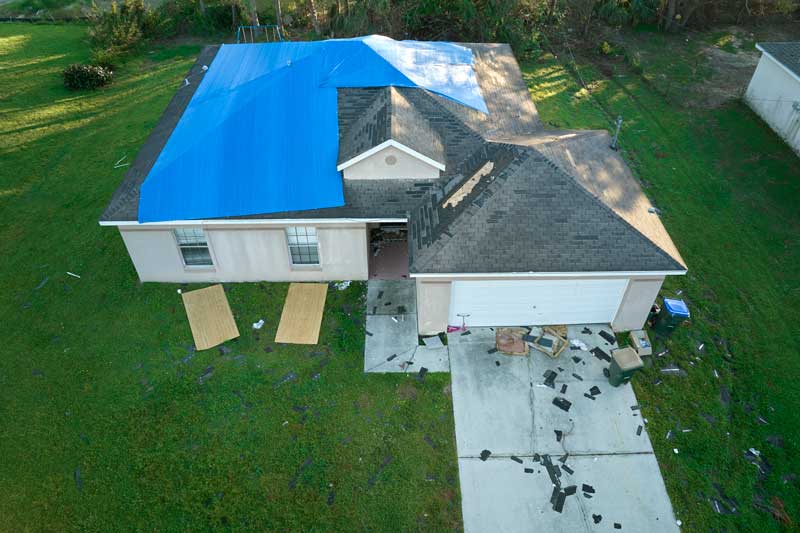
Frequently Asked Questions About Storm Damage Roof Repair in Emeryville
What are the first signs of storm damage on an Emeryville roof?
Look for new ceiling stains, displaced shingles or flashing, debris impacts, loose edge metal, and drainage problems. Some damage requires a professional inspection to detect.
Can wind-driven rain cause a leak without missing shingles?
Yes. Water can enter at flashing, seams, penetrations, or wall transitions even when most roofing materials remain in place.
Is standing water normal on a flat roof after rain?
Some temporary water may remain after rainfall, but persistent or deep ponding can signal drainage or roof-slope problems and should be evaluated.
Can a small storm-related roof leak be repaired?
Often, if the affected area is isolated and the surrounding roof assembly is sound. The appropriate repair depends on the cause and material condition.
How long does a storm roof repair take?
Minor repairs may be completed relatively quickly after inspection and scheduling. Larger projects can require additional time for materials, access, permits, or structural work.
Does insurance pay for wind damage to roofs in California?
It may, when wind damage is covered under the policy. Deductibles, exclusions, depreciation, and the insurer’s findings affect payment.
Should I climb onto the roof to take photos for insurance?
No. Photograph what you can safely see from the ground or inside the building and have a qualified professional inspect elevated areas.
Should I replace my roof after one severe storm?
Not necessarily. Replacement is generally considered when damage is extensive, the roof is already deteriorated, or reliable localized repairs are impractical.
Request a Storm Damage Roof Assessment in Emeryville
Concerned about leaks, lifted roofing, or drainage after a Bay Area storm? Contact Ark Roofing & Construction to discuss the conditions you have noticed and the next steps for your property.
Contact Ark Roofing & ConstructionAuthority Sources and References
City of Emeryville — Official Website
Leave a Reply