
California storm recovery & roof readiness
Hurricane Rachel Roof Recovery & El Niño Preparation in California
A practical homeowner's guide to spotting storm-related roof damage, preventing leaks, and preparing for California's rainy season.
Serving the greater Los Angeles area, Pasadena, Sacramento, Emeryville, and surrounding communities.
Quick answer
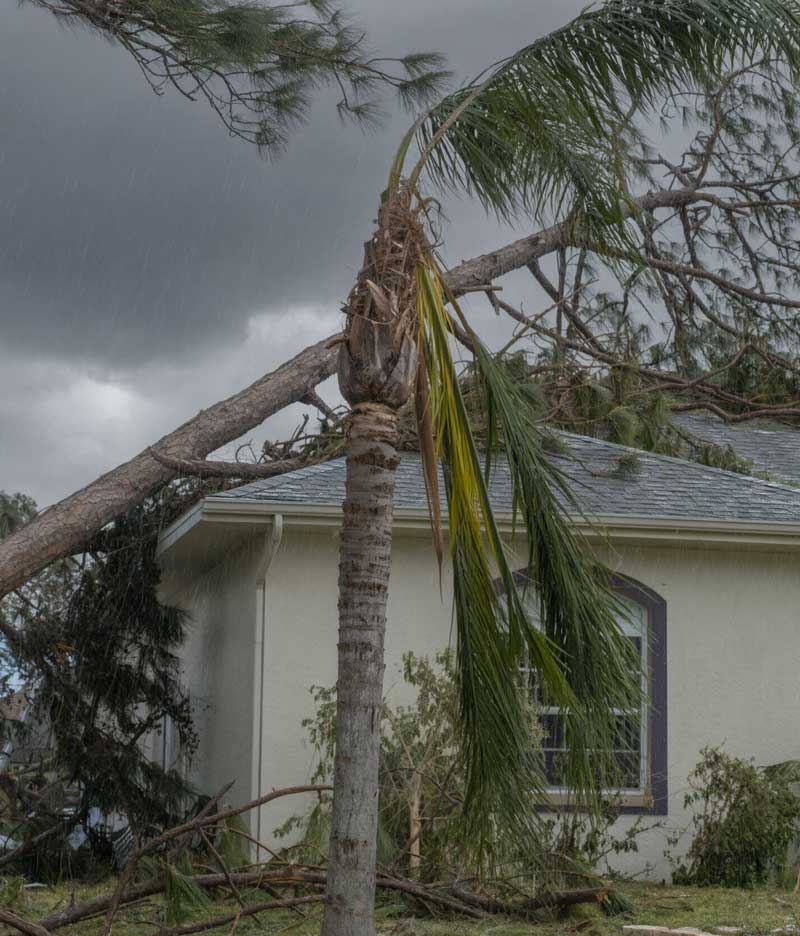
What should you do after Hurricane Rachel?
After storm conditions are safe, inspect your roof from the ground, check ceilings and attic areas for water intrusion, photograph visible damage, clear accessible drainage obstructions safely, and arrange a professional evaluation if you notice missing roofing materials or leaks. Before the winter rainy season, check flashing, gutters, roof drains, and aging roofing materials. Never climb onto a wet or damaged roof.
Rachel's impacts have included dangerous coastal conditions in Southern California. Damage varies by neighborhood and property; storm exposure does not automatically mean a roof needs repair or replacement. Check National Weather Service advisories for current conditions.
Step 01 · Recover safely
Look for roof damage without putting yourself at risk
Wind, rainfall and flying debris can affect shingles, tiles, flashing, roof penetrations and drainage. Some problems remain hidden until the next rainfall.
- Look for missing shingles or displaced roof tiles from ground level.
- Check ceilings, skylights and accessible attic areas for dampness or stains.
- Photograph visible damage and record when you noticed it.
- Avoid downed wires, unstable structures and standing water near electrical equipment.
- Contact a qualified roofing contractor if you suspect damage.
Important: Do not walk on a damaged or wet roof. For severe structural damage, prioritize emergency services and building safety.
Step 02 · Plan ahead
Why El Niño roof preparation matters
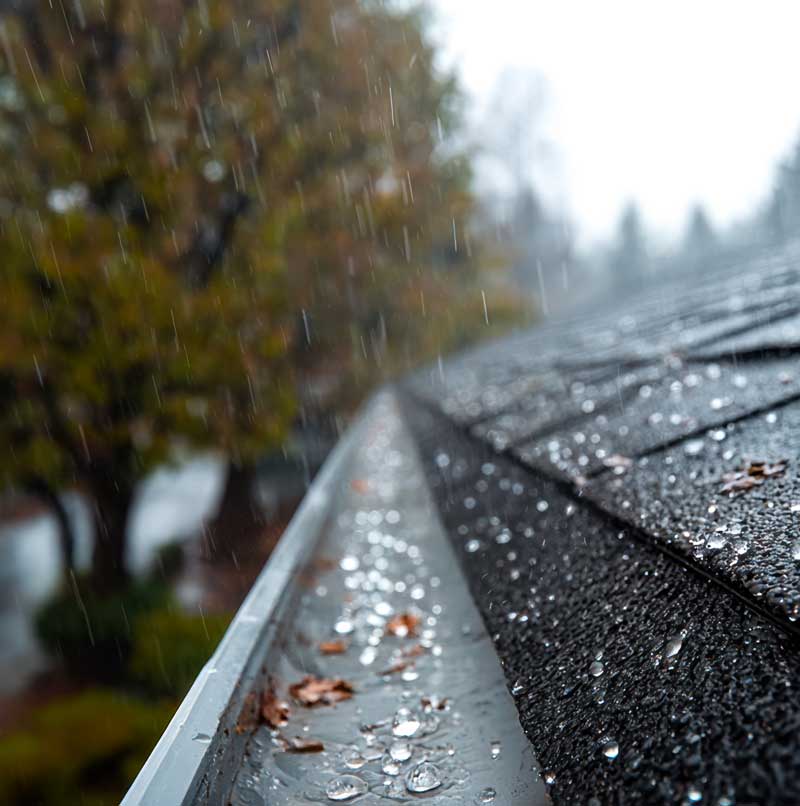
El Niño can influence winter precipitation patterns, including the chance of wetter conditions in parts of Southern California. It does not guarantee heavy rain at every address.
Regardless of the seasonal forecast, a roof with worn flashing, damaged underlayment or obstructed drainage is more vulnerable when prolonged rain arrives. Addressing known defects before a storm is often simpler than managing water intrusion afterward.
Key takeaway: You cannot predict exactly how much rain your property will receive, but you can identify and correct existing roofing vulnerabilities before the next storm.
For climate context, see NOAA's El Niño information.
Save this checklist
Seven ways to prepare your roof for El Niño
Focus on the areas most likely to let water enter the building or prevent it from draining away.
Inspect the roof
Have accessible roofing materials, flashing, valleys and penetrations evaluated for deterioration.
Repair shingles & tiles
Replace missing or damaged materials and assess the condition of the underlying components.
Check flashing
Pay attention to chimneys, vents, skylights and roof-to-wall transitions.
Clear drainage
Remove accessible debris from gutters, downspouts and roof drains when safe.
Evaluate low-slope roofs
Check membrane seams, penetrations and areas where water accumulates.
Assess nearby trees
Have hazardous overhanging branches evaluated by a qualified tree professional.
Act on leaks early
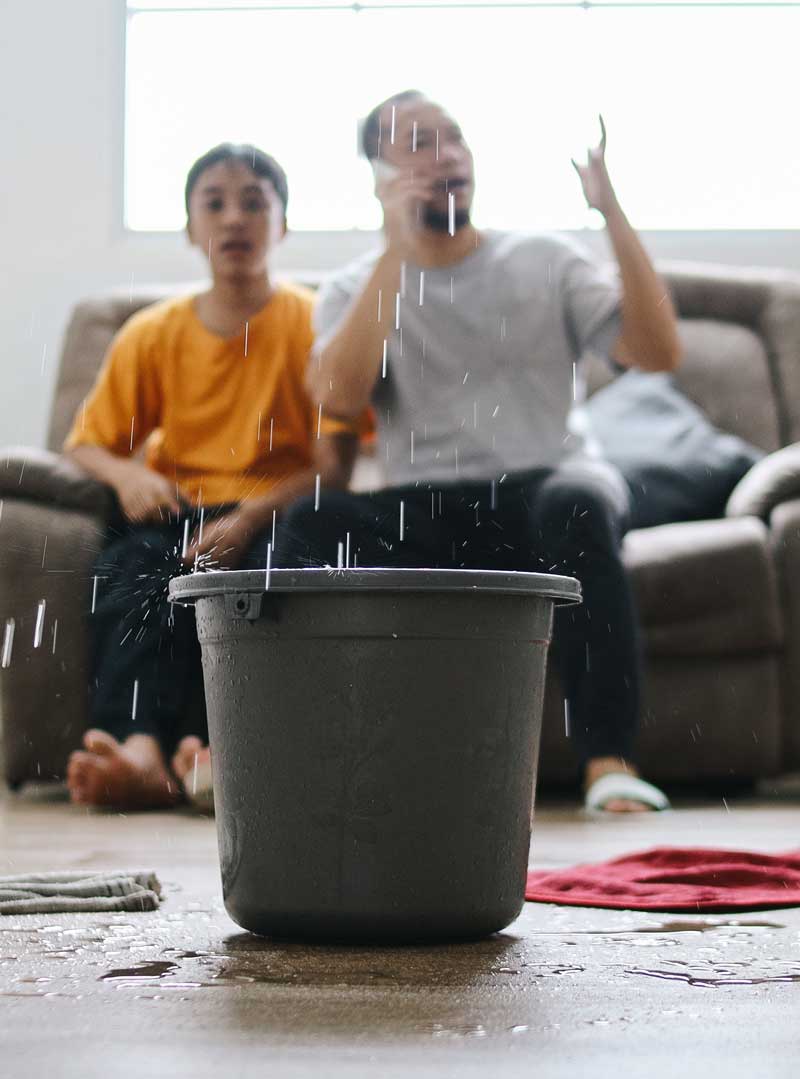
Investigate ceiling stains, damp insulation or recurring drips before further rain.
Different roofs, different risks
Flat and low-slope roofs need special attention
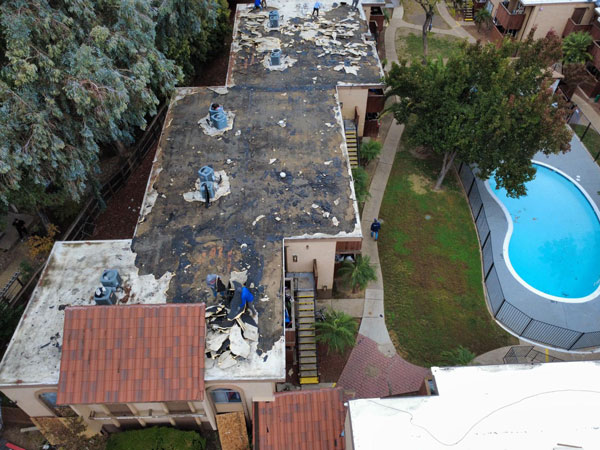
Commercial buildings, multifamily properties, garages and additions may have low-slope roofing where drainage is critical. Blocked scuppers, worn membrane seams and compromised penetrations can allow water to collect or enter the building.
Depending on the existing assembly and site conditions, appropriate work may include targeted repairs, drainage improvements or a compatible replacement roofing system.
See an example of Ark's combined pitched-roof and low-slope work in its South Pasadena roof replacement project.
Discuss Your Roof Condition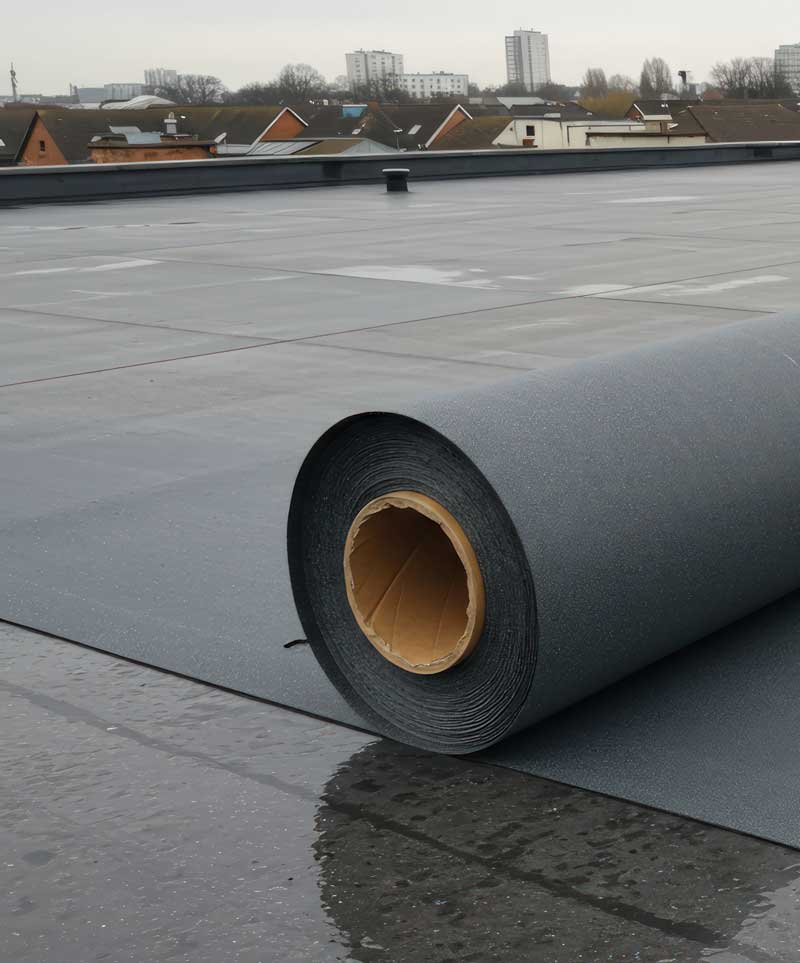
Make an informed decision
Roof repair or roof replacement after a storm?
Not every leak or missing shingle requires a new roof. The best approach depends on the roof's age, extent of damage, construction and remaining service life.
| Observed condition | Possible next step |
|---|---|
| A few missing shingles | Localized repair after evaluating surrounding materials |
| Damaged flashing near vents or skylights | Flashing repair or replacement |
| Cracked or shifted tiles | Tile repair and underlayment inspection |
| Localized low-slope membrane damage | Compatible membrane repair, if feasible |
| Recurring leaks across multiple areas | Comprehensive roof evaluation |
| Widespread deterioration or structural concerns | Assessment for replacement or structural repairs |
For examples of completed work, review Ark's Fair Oaks and Valley Village roof replacement projects.
Property managers & businesses
Prepare commercial and multifamily roofs, too
Larger roofs often have more drains, seams, rooftop equipment and penetrations. A planned pre-season evaluation can identify issues before they interrupt tenants, operations or interior finishes.
- Inspect drains, scuppers and overflow routes.
- Check rooftop equipment flashing and membrane seams.
- Review past leak locations and repair records.
- Document visible roof conditions before the season.
Ark Roofing & Construction provides residential and commercial roofing solutions throughout its service regions.
Local roofing coverage
Storm damage roofing services across California
Ark Roofing & Construction serves qualifying residential, commercial and multifamily projects through its Southern California, Sacramento-area and East Bay operations. Contact Ark to confirm service for your specific address.
Los Angeles & San Fernando Valley
Los Angeles, Valley Village, North Hollywood, Studio City, Sherman Oaks, Encino, Tarzana, Reseda, Van Nuys, Northridge, Granada Hills, Porter Ranch, Chatsworth, Woodland Hills, West Hills, Canoga Park, Panorama City, Sun Valley, Pacoima, Sylmar, San Fernando, Mission Hills, Burbank, Glendale, Toluca Lake, Universal City, Sunland, Tujunga, Eagle Rock, Highland Park, Hollywood, West Hollywood, Beverly Hills, Culver City, Santa Monica, Brentwood, Westwood, Mar Vista, Venice, Inglewood, El Segundo, Hawthorne and Torrance.
Pasadena & San Gabriel Valley
Pasadena, South Pasadena, Altadena, San Marino, Alhambra, San Gabriel, La Cañada Flintridge and surrounding San Gabriel Valley communities.
Sacramento Region
Sacramento, West Sacramento, North Sacramento, Natomas, Arden-Arcade, Carmichael, Rancho Cordova, Elk Grove, Citrus Heights, Folsom, Galt, Isleton, Antelope, Fair Oaks, Florin, Foothill Farms, Orangevale, North Highlands, Rio Linda, Rosemont, Gold River, Rancho Murieta, Vineyard, La Riviera, Lemon Hill, Fruitridge Pocket, Mather, Roseville and Rocklin.
Emeryville & East Bay
Emeryville, Oakland, Berkeley, Piedmont, Albany, El Cerrito, Alameda and surrounding East Bay communities.
Frequently asked questions
Hurricane Rachel and El Niño roofing FAQs
What should I check on my roof after Hurricane Rachel?
From the ground, look for missing shingles, displaced tiles, damaged gutters and debris. Check indoor ceilings and accessible attic areas for moisture. If you notice damage, request a professional evaluation when conditions are safe.
Can a storm damage a roof without causing an immediate leak?
Yes. Displaced roofing materials or compromised flashing may not leak until later rainfall. Visible damage should be evaluated even when the interior is dry.
Does El Niño guarantee heavy rain in California?
No. El Niño can shift the likelihood of certain seasonal weather patterns, but it does not determine rainfall at an individual property.
How do I prepare a roof for winter rain?
Inspect roofing materials and flashing, clear safe-to-access drainage obstructions, evaluate low-slope areas and address known leaks before additional storms.
Does a storm-damaged roof always need replacement?
No. Localized damage may be repairable. Widespread deterioration, recurring leaks or compromised roof assemblies may require more extensive work.
Does homeowners insurance cover storm roof damage?
Coverage depends on your policy, the cause of damage, exclusions and deductible. Document visible damage and consult your insurer about reporting requirements.
Does Ark Roofing serve Los Angeles and Sacramento?
Yes. Ark Roofing serves qualifying projects in greater Los Angeles, Pasadena and the San Gabriel Valley, the Sacramento region, and the Emeryville/East Bay area. Confirm service availability for your address.
Recover from the storm. Prepare for the next one.
Whether you have noticed a leak, are concerned about damaged roofing materials or want to prepare for winter rain, Ark Roofing & Construction can help evaluate your options.
Request a Roofing EstimateSources and further reading
- National Weather Service — local warnings and advisories
- NOAA Climate.gov — El Niño and La Niña
- California Contractors State License Board — contractor verification
- Ready.gov — flood safety
- Ark Roofing — California El Niño roof preparation guide
Weather and roofing conditions vary by property. This guide provides general information and is not a substitute for a site-specific inspection or official emergency instructions.
Leave a Reply