
9 Common Summer Roofing Problems California Homeowners Should Watch For
Learn how California summer heat, UV exposure, attic ventilation problems, damaged shingles, roof debris, flashing deterioration and other common roofing issues can affect your home in Sacramento, Pasadena, Valley Village, Emeryville and surrounding communities.
Quick answer: The most common roofing problems in California include heat and UV-related deterioration, cracked or aging shingles, roof leaks, damaged flashing, poor attic ventilation, clogged gutters and problems around roof penetrations. Summer is an ideal time to identify these weaknesses before California's wetter months return.
Certified, Trusted, Licensed, and Insured
At Ark Roofing & Construction, we take pride in delivering exceptional craftsmanship backed by professionalism, integrity and accountability. As a licensed and insured California roofing contractor with offices serving Sacramento County, Los Angeles County and the East Bay, our team follows high standards for safety, quality and customer service. We use premium roofing materials from trusted manufacturers, follow industry best practices and stand behind approved work with applicable workmanship and manufacturer warranty options. From the initial inspection through final cleanup, property owners receive clear communication, practical recommendations and a roofing experience focused on long-term protection.

GAF Master Elite® Contractor
Qualifying homeowners may have access to enhanced GAF roofing-system warranty options installed by an eligible Master Elite contractor.

Owens Corning Preferred Contractor
A manufacturer-recognized contractor designation associated with professional roofing practices, product knowledge and customer service standards.

Ark Satisfaction Guarantee
Clear communication, professional workmanship and a commitment to completing approved roofing work with care and accountability.
Summer Can Reveal Problems Before the Rain Does
California summers can be demanding on residential roofing systems. Long periods of sunshine, elevated temperatures, ultraviolet exposure, dry debris and seasonal wildfire conditions can reveal existing weaknesses and contribute to the deterioration of aging roofing materials.
For homeowners in Sacramento, Pasadena, Valley Village, Emeryville and surrounding California communities, summer is also a practical time to inspect a roof before wetter weather returns.
Preventive roof maintenance does not necessarily mean major repairs. It means identifying smaller problems—such as a lifted shingle, deteriorated flashing, blocked vent or debris-filled gutter—before they have an opportunity to develop into more significant roofing problems.
What Are the Most Common Summer Roofing Problems in California?
California homeowners should pay particular attention to these nine roofing conditions during summer.
Heat and Thermal Expansion Can Stress Roofing Materials
Roofing materials naturally expand as they heat and contract as temperatures fall. During a hot California summer, roof components can experience repeated temperature changes between sunny daytime conditions and cooler nights. This repeated expansion and contraction is commonly called thermal cycling.
Over time, this movement can place stress on aging shingles, flashing, fasteners, sealants and other roof components.
California Sun and UV Exposure Can Age Your Roof
A California roof can spend thousands of hours exposed to direct sunlight during its service life. Ultraviolet radiation and prolonged outdoor exposure contribute to the weathering of asphalt and many other exterior building materials.
Asphalt shingles contain a protective layer of mineral granules. Some granule loss occurs naturally as shingles age, but substantial deterioration deserves attention.
Excessive granules in gutters • Bald areas • Cracking • Curling edges • Brittle-looking shingles • Uneven wear
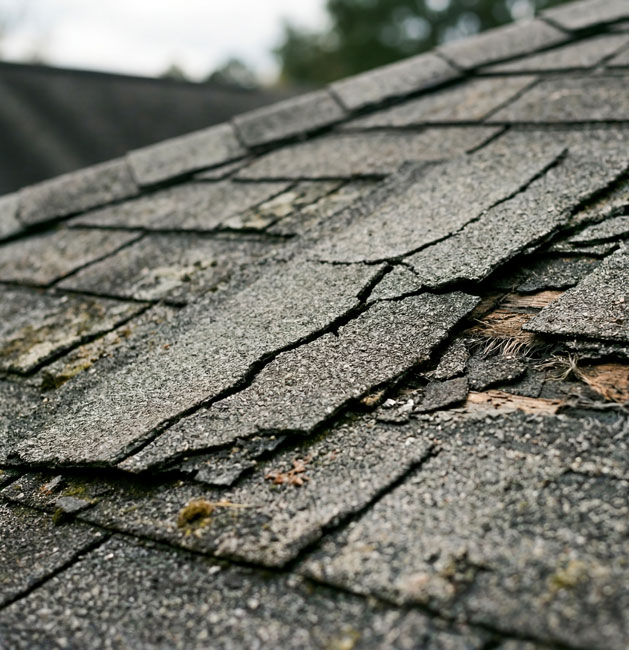
Cracked, Curling or Aging Shingles Can Become Leak Points
Shingles form the weather-shedding surface of many California residential roofs. When shingles crack, lift, curl, become loose or go missing, portions of the roofing system underneath can become more vulnerable to weather.
Pay particular attention to roof valleys, eaves, ridges, roof-to-wall intersections, chimneys, skylights, plumbing vents and areas around rooftop equipment. If shingle pieces are appearing on the ground or damage is visible from below, a professional inspection can determine whether an isolated repair is appropriate.
Poor Attic Ventilation Can Make Summer Heat Problems Worse
The condition of a roof isn't determined only by what's happening on its exterior. The attic underneath it matters too.
Properly designed attic ventilation allows outside air to circulate through a vented attic while insulation and air sealing help reduce unwanted heat transfer between the attic and living areas.
The California Energy Commission notes that attics can become considerably hotter than outdoor conditions during hot weather, particularly when ventilation is inadequate.
Important: Simply adding vents or installing a powered attic fan is not automatically the correct solution. Ventilation should be evaluated as part of the complete roof, attic, insulation and air-sealing system.
Damaged Flashing and Deteriorated Sealants Can Lead to Roof Leaks
Some of the most important roof areas to inspect aren't the large open sections. They're the transitions. Flashing helps direct water away from vulnerable intersections and roof penetrations.
Chimneys, skylights, plumbing vents, roof-to-wall intersections, valleys, dormers, HVAC penetrations and other rooftop equipment deserve particular attention. Look for loose flashing, visible gaps, deterioration, corrosion or materials that appear to be separating.
Clogged Gutters and Roof Debris Are a Summer Problem Too
Leaves, twigs, pine needles, seed pods and other organic material can accumulate in gutters, valleys, behind chimneys, around skylights, beneath roof attachments and near vents.
When rain arrives, accumulated debris can interfere with drainage. In areas exposed to wildfire hazards, dry organic material presents an additional concern.
Roof Vents, Skylights and Penetrations Need Attention
Every opening through a roof must remain properly integrated with the roofing system. Plumbing vents, exhaust vents, skylights, chimneys, HVAC equipment, solar attachments and satellite mounts can incorporate flashing, boots, sealants or other components designed to maintain a weather-resistant assembly.
Homes with rooftop solar deserve additional attention because leaves and debris can accumulate beneath or around solar arrays and some roofing areas become more difficult to inspect after panels are installed.
Wildfire and Wind-Blown Embers Can Expose Roof Vulnerabilities
California homeowners face a summer roofing concern that deserves special attention: wildfire exposure. Wind-driven embers can land on roofing materials, collect in gutters, accumulate against roof-to-wall intersections or potentially enter through vulnerable openings.
CAL FIRE recommends Class A-rated roof coverings when replacing roofs in wildfire-prone areas and provides additional guidance regarding ember-resistant vents and other home-hardening measures.
Small Summer Roof Problems Can Become Rainy-Season Leaks
A roof can have a developing defect without producing an obvious leak during extended periods of dry weather. A cracked pipe boot, loose flashing, damaged shingle, deteriorated sealant, vulnerable penetration or drainage problem may not become obvious until sustained rain arrives.
What Are the Signs of Roof Damage Caused by California Weather?
California weather-related roof damage isn't always obvious from the ground. Homeowners should watch for visible deterioration as well as clues inside the attic and home.
One symptom doesn't automatically mean the roof needs replacement. A professional roof inspection can help distinguish normal aging from isolated damage or widespread deterioration.
What Are the Signs of a Roof Leak?
Not every roof leak begins with water dripping from the ceiling. Water can travel along decking, framing or other building components before it becomes visible inside the home.
Can a Cool Roof Help With California Summer Heat?
A cool roof is designed to reflect more solar energy and absorb less heat than a conventional roof.
The California Energy Commission explains that cool roofing materials use higher solar reflectance and thermal emittance to help reduce roof temperatures during hot, sunny conditions.
Cool-roof options are available for multiple roofing systems, including certain asphalt shingles, tile products, metal roofing and low-slope roof systems. The best option depends on the building, climate, roof design, budget and applicable California energy requirements.
What Roofing Materials Work Well in California?
There isn't one roofing material that's best for every California home. Material selection should reflect local climate, architecture, roof design, wildfire exposure, energy goals and budget.
Asphalt Shingles
Available in many styles, performance levels, colors and reflective options.
Concrete & Clay Tile
A common California roofing choice with long-term durability when properly installed.
Metal Roofing
Offers long service potential and is available in numerous profiles and finishes.
Cool Roof Products
Reflective products are available across multiple residential and low-slope roofing categories.
Summer Roofing Problems Vary Across California
California doesn't have a single climate. Ark Roofing's four local offices serve communities with different heat, moisture, wind, vegetation and roofing conditions.
Sacramento
Sacramento's long, hot summers make heat exposure, UV deterioration, attic ventilation and aging shingles especially important considerations. Summer is an ideal time to check flashing, penetrations, gutters and overall roof condition before wetter weather returns.
Pasadena
Pasadena homeowners can experience prolonged heat and sunshine along with seasonal wildfire concerns in nearby foothill communities. Roof debris, shingles, flashing, ventilation and roof penetrations deserve seasonal attention.
Valley Village
Valley Village and the greater Los Angeles area experience prolonged sunshine, high summer temperatures and extended dry periods. Aging sealants, flashing, ventilation and rooftop equipment are important inspection areas.
Emeryville
Emeryville's Bay Area climate differs from hotter inland California, but roofs still experience UV exposure, wind, moisture and natural aging. Summer provides a useful opportunity to evaluate flashing, drainage and penetrations.
California Summer Roof Maintenance Checklist
Before summer ends, homeowners can visually check these roofing and attic areas or ask a qualified roofing professional to inspect them.
When Should You Repair or Replace a Roof in California?
Roof replacement should generally be based on the condition of the complete roofing system rather than age alone. A localized problem such as damaged flashing or a small number of damaged shingles may be repairable.
Replacement may become more appropriate when deterioration is widespread or recurring repairs are no longer an economical long-term solution.
Schedule a Summer Roof Inspection With Ark Roofing & Construction
Summer is a great time to find out how well your roof is holding up to California's climate and address potential problems before wetter weather returns. Ark Roofing serves Sacramento, Pasadena, Valley Village, Emeryville and surrounding California communities.
Request a Free Roofing EstimateSummer Roofing Problems in California
Direct answers to common questions California homeowners ask about roof maintenance, summer heat and roof damage.
Leave a Reply