
California El Niño Roof Preparation Guide: What to Fix Before the Heavy Rain Arrives
California homeowners and property managers have a good reason to inspect their roofs before this winter.
NOAA’s Climate Prediction Center reported on September 10, 2026, that El Niño is strengthening, with a greater than 90% chance of a very strong event during the Northern Hemisphere fall and winter of 2026–27.
For California property owners, that makes the remaining dry-weather window particularly valuable.
A roof that performs normally through months of California sunshine can reveal very different problems once it is exposed to prolonged rain, wind-driven water and repeated storms. Aging underlayment, deteriorated flashing, clogged drainage systems and small roof defects can remain practically invisible until enough water finds them.
The best time to discover those problems is before the rain starts.
Quick Answer: How Should California Homeowners Prepare Their Roof for El Niño?
Before the winter rainy season, California homeowners should have the roof inspected for damaged or missing roofing materials, deteriorated flashing, aging tile-roof underlayment, clogged or undersized gutters, failing sealants, drainage problems and signs of previous leaks.
Commercial buildings with flat or low-slope roofs should also have drains, scuppers and drainage paths inspected for anything that could allow water to pond on the roof.
Taking dated photographs of the roof and addressing known maintenance issues before severe weather arrives can also create a useful record of the property’s pre-storm condition.
For homeowners and businesses throughout the California communities served by Ark Roofing & Construction, September and early fall are an ideal time to take care of these issues—while roofs are dry and repairs can be planned rather than performed during an emergency.

The California El Niño Roof Checklist
You don’t need to replace a roof simply because an El Niño winter is approaching.
You do need to know where the roof is vulnerable.
Right Now: Inspect the Roof
Look for:
- Missing, cracked or displaced shingles
- Broken or slipped concrete and clay tiles
- Exposed or deteriorated underlayment
- Damaged ridge and hip components
- Loose flashing
- Deteriorated sealant around penetrations
- Previous roof patches that may be failing
- Debris collecting in roof valleys
- Clogged gutters and downspouts
- Damaged fascia
- Evidence of ponding on flat roofs
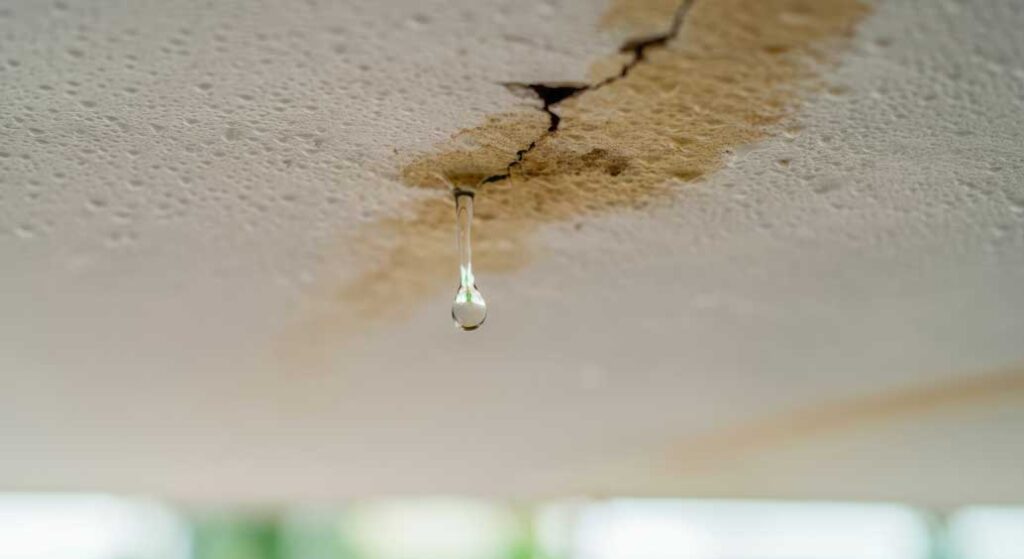
- Water stains in the attic or ceilings
Some of these problems are visible from the ground. Others require a professional roof inspection.
Avoid walking on a roof if you are not trained to do so. Tile roofs in particular can be damaged by improper foot traffic, and wet or steep roofs present serious fall hazards.
Before the First Major Storm: Fix the Small Problems
A cracked tile or questionable flashing detail may not seem urgent after months without rain.
During sustained rainfall, it becomes a pathway for water.
Repairing known vulnerabilities before storms arrive is generally far easier than trying to diagnose an active leak while rain is falling.
It also gives a roofing contractor an opportunity to inspect surrounding components rather than simply stopping the immediate leak.
Before the Rainy Season: Clean and Test the Drainage System
Your roofing system does not end at the roof edge.
Gutters, downspouts, valleys, drains and scuppers all have to move water away from the building.
Remove leaves, roofing debris and other obstructions. Look for sagging gutters, leaking seams, inadequate downspouts and areas where runoff collects next to the foundation.
Commercial roofs deserve particular attention because a blocked drain can turn a large flat roof into a temporary reservoir.
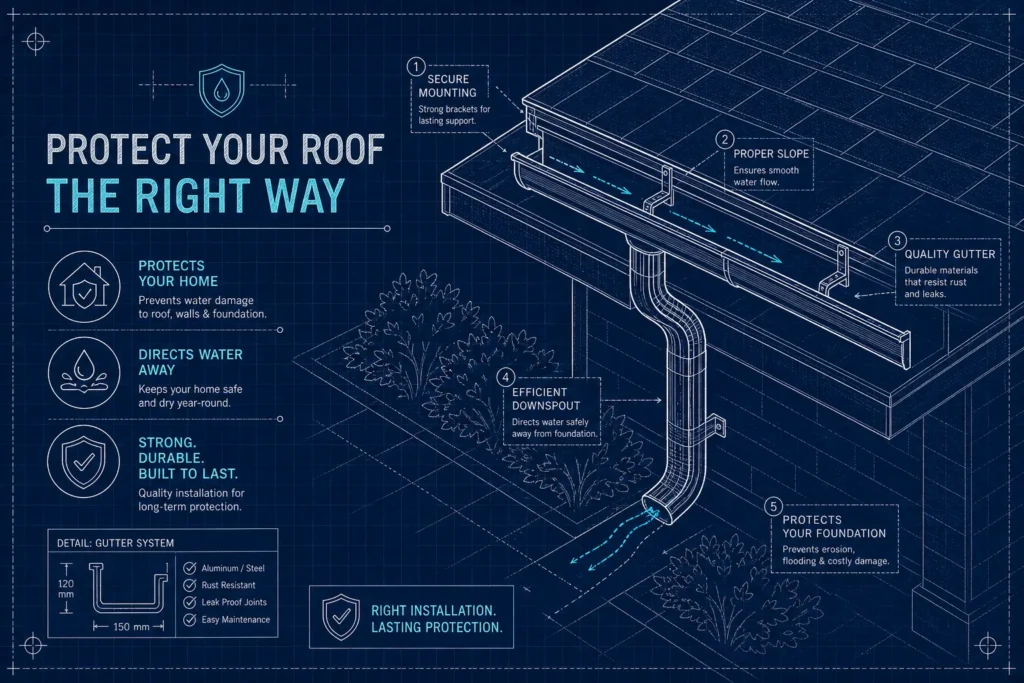
Are Your Gutters Ready for Heavy California Rain?
California gutters can spend most of the year doing very little.
Then one winter storm asks them to handle a tremendous amount of water at once.
That is when drainage problems become obvious.
If water regularly pours over the front of your gutters during heavy rain, don’t automatically assume the rain is simply too intense. The system may be clogged, improperly pitched, undersized for the roof area or unable to discharge water quickly enough through its downspouts.
When Does a Home Need Larger Gutters?
Some homes can benefit from a higher-capacity gutter system, particularly when they have:
- Large or steep roof areas
- Long roof runs feeding a limited number of downspouts
- Previous gutter overflow
- Chronic fascia or siding water damage
- Complex rooflines that concentrate runoff
- Inadequate existing downspouts
- Drainage problems around the foundation
Wider, heavy-duty seamless gutters can provide greater water-handling capacity when properly sized for the roof and paired with appropriately sized downspouts.
The key is designing the drainage system as a whole. Simply installing a larger gutter does little good if a small or poorly positioned downspout becomes the bottleneck.
Ark Roofing & Construction can evaluate the roof area, drainage pattern and existing gutter system to determine whether cleaning, repairs, additional downspouts or a higher-capacity seamless gutter system makes the most sense.
California Tile Roofs Have a Hidden Waterproofing Layer
One of the most important El Niño preparation issues in Southern California is also one of the least visible:
the underlayment beneath a tile roof.
Many homeowners naturally assume their clay or concrete roof tiles are what keep the interior of the house completely waterproof.
Tiles are the first line of defense, but they are only part of the roofing system.
Beneath them is an underlayment designed to help prevent water that gets past the tile from entering the roof deck and home.
And underlayment ages.
Why Tile Roof Leaks Can Suddenly Appear During a Wet Winter
A tile roof may look attractive from the street even when the waterproofing materials underneath are approaching the end of their useful life.
Small amounts of water intrusion may not become noticeable during an average dry year.
Repeated winter storms are different.
Water can move beneath tiles through overlaps, wind-driven rain and drainage channels. If the underlying waterproofing layer has deteriorated, those conditions can expose weaknesses that have been developing for years.
That is why an older tile roof deserves more than a visual inspection of the tiles themselves.
A roofing professional should consider the entire assembly, particularly around valleys, penetrations, transitions and areas where previous leaks have occurred.
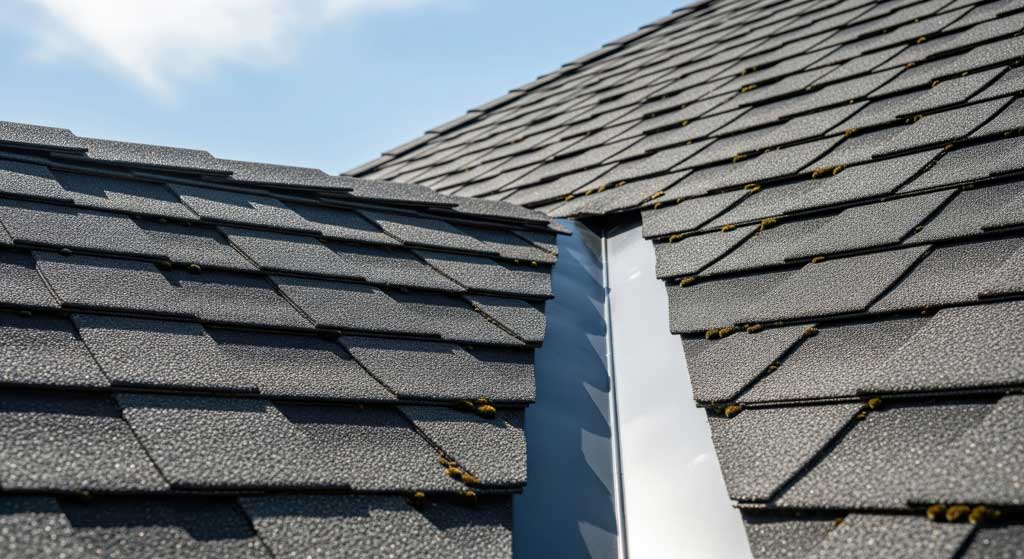
Flashing: The Small Roof Component That Can Cause a Big Leak
Some of the most persistent roof leaks don’t originate in the middle of a roof.
They happen where the roof changes direction or meets something else.
That means areas such as:
- Chimneys
- Skylights
- Plumbing vents
- HVAC penetrations
- Roof-to-wall transitions
- Valleys
- Dormers
These locations rely heavily on roof flashing.
During ordinary light rain, a marginal flashing detail might not leak enough to attract attention.
Wind-driven rain can behave differently.
Water isn’t always falling straight down. Wind can push it sideways and into joints, laps and transitions that rarely receive that amount of moisture.
Old sealant applied over bad flashing isn’t necessarily a permanent solution either.
Before winter, suspicious flashing should be evaluated to determine whether it needs to be resealed, repaired or properly replaced.
Commercial Property Managers: Don’t Ignore Ponding Water on Flat Roofs
For California commercial property owners and facility managers, El Niño preparation should include a dedicated flat-roof drainage inspection.
Flat and low-slope commercial roofing systems are designed to drain water through specific pathways.
Problems begin when those pathways stop working properly.
Leaves, dirt and debris can obstruct roof drains and scuppers. Settling or structural movement can also create low areas where water remains after a storm.
The result is ponding water.
Standing water increases the load placed on the roof assembly and can accelerate deterioration of roofing materials. It can also exploit weaknesses at seams, penetrations and flashing.
A severe storm is not the ideal time to discover that a roof drain has been clogged for months.
Commercial El Niño Roof Inspection Checklist
Before sustained winter rain arrives, property managers should check:
- Roof drains
- Scuppers
- Gutters and downspouts
- Drain strainers
- Membrane seams
- Flashing
- Roof penetrations
- Previous repairs
- Parapet walls
- Equipment curbs
- Low spots and previous ponding areas
It is also worth reviewing the interior of the building for water stains or previous leak locations.
Those historical clues can help a roofer identify vulnerable areas before the next storm.
Protect Your Roof Insurance Claim Before the Storm
There is another useful job California property owners can complete while the weather is dry:
document the condition of the property.
Take clear, dated photographs or video of your roof, gutters, exterior and interior ceilings before the rainy season.
If possible, document existing repairs and keep invoices for professional roofing work.
Why?
Because after a storm, distinguishing sudden storm damage from deterioration that developed over time can become an important part of the insurance process.
The California Department of Insurance recommends keeping photographs and other records that can help document property and damage. Following a loss, it also recommends photographing damage, keeping repair and cleanup records and taking reasonable temporary measures to prevent additional damage.
Homeowners should remember that coverage depends on the individual policy and the cause of the damage. Standard homeowners policies generally do not cover flooding, although certain other types of storm-related water damage may be covered depending on how the water entered the property and the terms of the policy.
Create a Simple Pre-Storm Roof File
Keep:
- Current roof photographs
- Exterior photographs
- Attic photographs if safely accessible
- Previous roof inspection reports
- Roofing invoices
- Repair receipts
- Roof replacement documentation
- Roofing material and warranty information
- Insurance policy information
Store digital copies somewhere accessible even if the property itself is damaged.
This isn’t about manufacturing an insurance claim. It is about maintaining an accurate record of the condition of your property before and after a storm.
Get Your Free Roofing Estimate
What If Your Roof Starts Leaking During an El Niño Storm?
First, protect people.
Do not climb onto a wet roof during a storm.
Inside the home, move valuables away from leaking areas when it is safe to do so and use containers to catch dripping water. Water near electrical fixtures, outlets or equipment should be treated seriously.
Document visible damage with photographs and video.
Contact your roofing contractor and insurance provider as appropriate.
The California Department of Insurance recommends reasonable temporary measures to prevent further property damage and advises homeowners to retain receipts and records associated with cleanup and repairs.
Temporary measures are exactly that—temporary.
Once conditions are safe, the source of the leak should be professionally evaluated.
Which California Roofs Should Be Inspected First?
Not every roof has the same urgency.
Move an inspection higher on your priority list if:
- Your roof has leaked before
- You have missing or broken roofing materials
- Your tile roof is older and the underlayment has never been evaluated
- Your gutters overflow during normal storms
- You can see stains on ceilings or attic materials
- Your roof has multiple skylights or penetrations
- Flashing appears loose, corroded or heavily patched
- A flat roof holds water after rain
- Trees deposit large amounts of debris onto the roof
- You don’t know when the roof was last professionally inspected
And don’t assume that because the roof survived the last storm, it will survive the next one.
Roofing systems age incrementally. Sealants harden. Underlayment deteriorates. Flashing moves. Drainage systems clog.
The leak is often the final symptom—not the beginning of the problem.
El Niño Roof Preparation in Southern California and Northern California
California is not one roofing environment.
Southern California homes frequently feature concrete or clay tile, low-slope sections and roofing systems that spend long periods exposed to heat and UV before suddenly being subjected to winter rain.
Elsewhere in California, asphalt shingles, low-slope commercial systems and other assemblies face their own drainage and weatherproofing challenges.
Ark Roofing & Construction provides roofing services across its California service areas, including communities in Southern California and the greater Sacramento region, with roofing solutions tailored to the building, roof type and local conditions.
Whether the concern is an aging tile roof in Southern California, a residential roof in the Sacramento area, a failing gutter system or a commercial flat roof with drainage issues, the goal before winter is the same:
find vulnerabilities while there is still time to repair them under dry conditions.
Frequently Asked Questions About El Niño and California Roofs
Should I have my roof inspected before El Niño?
If your roof is older, has leaked previously, has visible damage or hasn’t been inspected recently, a pre-winter inspection is a sensible preventive step. The inspection can identify roofing, flashing and drainage problems before sustained rain exposes them.
Does El Niño mean California will definitely have damaging storms?
No. El Niño influences weather patterns but does not guarantee a particular storm at a particular location. However, NOAA reported in September 2026 that El Niño was strengthening and that there was a greater than 90% chance of a very strong event during fall and winter 2026–27. Property owners should use forecasts as a reason to prepare, not as a guarantee of specific local weather.
Leave a Reply