
Storm Damage Roof Repair in Sacramento
Storm Damage Roof Repair in Sacramento requires fast action, smart assessment, and repairs that hold up when the next system rolls through. Sacramento sees wind bursts, heavy rain, and occasional hail, and roofs pay the price. Good decisions in the first day can save thousands over the next year. Storm damage roof repair in Sacramento starts with safety, photos, emergency tarping, and a professional inspection within 24 to 72 hours. Expect temporary leak control, a thorough assessment, and a plan for permanent repair or storm damage roof replacement based on roof age and extent.
What Sacramento homeowners should know about storm-damaged roofs
Storms in Sacramento often arrive with atmospheric river rain events and short but intense wind periods. Roofs get hit by wind uplift, water intrusion around penetrations, and impact from branches. Asphalt shingles can lose granules in a single storm. Tile roofs can crack at the edges where wind-driven debris lands. Flat roofs collect standing water that creeps into seams. Local context matters because Sacramento’s mix of older housing stock and newer builds creates different failure points. Older roofs tend to suffer at flashing and underlayment. Newer roofs endure but can still leak if ventilation or gutters fail.
Most homeowners worry about hidden water. That worry is justified. Water can track along decking, drip through light fixtures, and show up as wall stains days later. That lag creates confusion about cause and coverage. The right approach pairs immediate leak mitigation with documentation so an insurer or contractor can trace origin. Roof Repair teams look for uplifted edges, missing tabs, bruised shingles, cracked tiles, loose ridge caps, backed-up gutters, and saturated insulation. The pattern shows how wind and water worked across the roof and guides the fix.
There is a simple rhythm that works well. Stabilize the roof surface. Map moisture inside. Decide on repair scope. If damage exceeds a deductible, file the claim and coordinate with an adjuster. When the roof is near end of life, consider storm damage roof replacement, especially if future storms are likely within the next season.

Get YouHassle Free Quote
Ask About Seasonal Discounts


Storm Damage Roof Repair in Sacramento: Emergency services and solutions
Roof repair for storm damage in Sacramento: what’s included
Roof repair from storm damage in Sacramento usually includes rapid inspection, photo documentation, emergency tarping, sealing of exposed fasteners, replacement of missing shingles or broken tiles, resealing of flashing, and clearing of clogged gutters. Contractors often check attic spaces and ceilings for wet insulation and staining to confirm the leak path. Sacramento Roof Repair from Storm Damage teams also carry materials for flat roof seam reseal and patching around drains. Homeowners expect a written scope, photos before and after, and a timeline for permanent repairs. This combination of steps protects the home and sets clear expectations for insurance and warranty questions.
Emergency tarping and leak mitigation
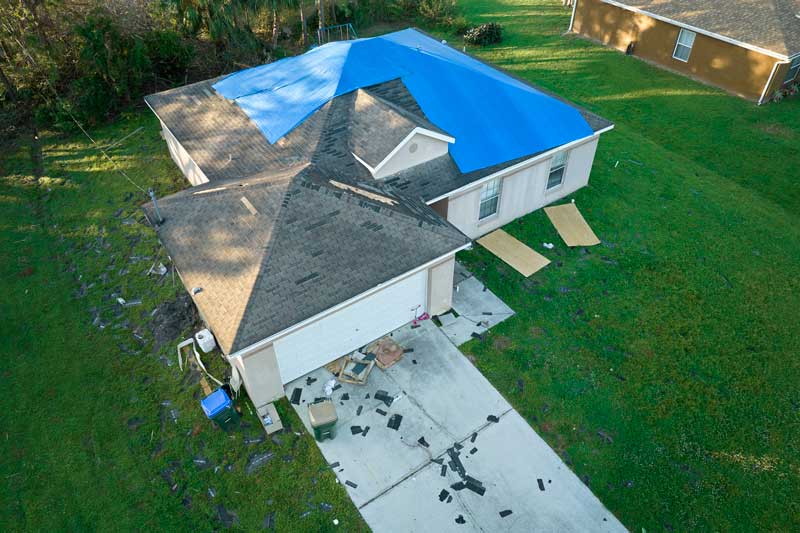
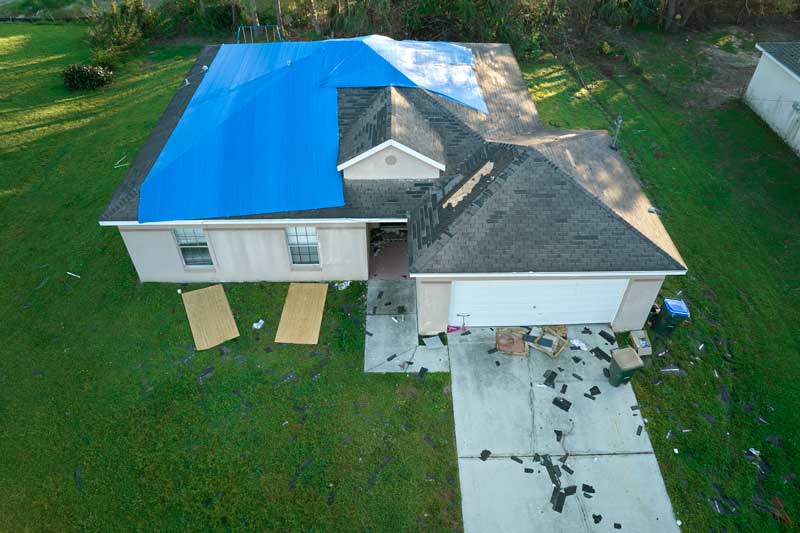
Emergency tarping should happen quickly when a roof opening is visible or water is entering the living space. A tight tarp over damaged areas, secured at least three feet beyond the suspect zone on each side, stops rainfall from driving under shingles or tiles. Inside the home, buckets, plastic sheeting, and furniture relocation limit secondary damage. Ready.gov and FEMA emphasize safety and temporary measures while waiting for professional help, which holds true here too [1].
Temporary vs. permanent repairs
Temporary repairs stop active leaks and prevent more damage. Permanent repairs restore full weatherproofing. The first version often involves tarps, sealant, and limited shingle replacement. The long version includes full shingle or tile replacement in affected areas, underlayment work, proper flashing rebuilds, and sometimes deck repairs. The decision shifts once a roof has multiple failure points or is near its expected lifespan. Roof Repair Storm Damage Sacramento services commonly stage temporary protection within hours then schedule permanent work once materials and permits are ready. That two step process keeps the home livable and reduces insurance disputes about additional damage.
Signs of storm damage on your Sacramento roof
Wind damage indicators and missing shingles
Wind damage shows up in lifted tabs, creased shingles, displaced ridge caps, and shingles missing altogether. On tile roofs, look for shifted tiles and cracked corners. Fascia boards might show fresh splits around nail heads if gusts pulled gutters or metal edges. Debris fields tell a story. Shingle granules in downspouts, branches on the roof, or siding scuffs near the roofline point to wind forcing water sideways into seams.
Hail impact marks and granule loss
Hail marks look like circular bruises. Granules wear off and the asphalt mat shows. On metal roofs you may see small dimples. Tile roofs can chip at the edges where hail strikes and can show a chalky mark. This kind of impact reduces a shingle’s UV protection and shortens the roof’s life. UL 2218 ratings for impact resistance are helpful when selecting replacement shingles for future protection [2].
Water intrusion and hidden structural issues
Water intrusion hides in attic insulation, on the back side of roof decking, and inside wall cavities. Stains around vents and chimneys point to flashing failures. Flat roofs show ponding and seam splits. Hidden structure problems include soft decking, rusted fasteners, and mildew in attic sheathing. Infrared scanning can reveal wet zones that are not yet visible at the ceiling. This kind of mapping is increasingly common and pays off by reducing missed leaks and rework [3].
| Sign you see | What it likely means | Immediate action |
|---|---|---|
| Missing shingles or shifted tiles | Wind uplift and exposure of underlayment | Tarp the area and photo document |
| Granules in gutters and downspouts | Hail or abrasion and accelerated aging | Inspect slopes, consider impact resistant replacement |
| Ceiling stains or damp attic insulation | Active leak at flashing or underlayment | Bucket under drip, map moisture, call for mitigation |
| Ponding on flat roof surface | Drain blockage or low slope deflection | Clear drains and schedule seam repairs |
Immediate steps to take after a storm in Sacramento
Safety first and documenting roof damage
Stay off slick roofs. Avoid ladders in high wind. Photograph from the ground and from windows. Take clear images of missing shingles, cracked tiles, bent flashing, and interior stains. Keep a short timeline. The best documentation includes date stamps, a quick written description, and wide shots with close ups. Simple, clear documentation speeds claims processing according to the California Department of Insurance guidance on presenting evidence of loss [4].
Controlling active leaks until help arrives
Move valuables and electronics. Place buckets under drips and lay towels along baseboards. Poke a small hole in a swollen ceiling bubble to relieve water. That prevents a sudden burst that soaks the room. Set fans to circulate air and reduce humidity. Then stop. Over drying can push air into hidden spaces and spread dust. The goal is containment until pros arrive.
Notifying your insurer and contacting a contractor
Once the situation is safe and documented, notify your insurer. Describe the event, share photos, and request guidance about next steps. Then contact a local contractor with storm experience. Search for storm damage roof repair near me and vet companies with Sacramento licensing and insurance. Speed helps. Adjusters appreciate clarity and contractors appreciate early involvement. It keeps the process orderly and reduces duplicated effort.
- Call for emergency tarping. Outcome. Active leaks stop and interior damage stabilizes.
- Create a photo set of exterior and interior issues. Outcome. You have evidence ready for claims and repair planning.
- Notify insurance within 24 to 72 hours. Outcome. A claim number and adjuster timeline get established [4].
- Schedule a professional inspection. Outcome. A written scope guides temporary and permanent repairs.
Professional roof inspection and damage assessment in Sacramento
What a comprehensive roof inspection includes
Expect a full walk of the roof surface, a close look at edges and penetrations, and an attic review. Inspectors test soft spots along decking. They check ridge vents and look for loose fasteners. On flat roofs, they measure ponding zones and scan seams. The best assessments combine photos, moisture readings, and a repair plan that distinguishes urgent fixes from longer term improvements.
Attic checks, moisture mapping, and photos
Attic checks confirm leak paths. Inspectors pull back insulation in targeted areas. Moisture mapping using handheld meters shows damp zones beyond visible stains. Photo documentation matters. Insurers and homeowners want to see the story. Clear shots of bruised shingles, cracked tiles, torn underlayment, and stained sheathing make decisions faster. NRCA guidance supports thorough documentation for roof repair planning, and it aligns well with storm repair workflows [5].
Drone and thermal imaging options
Drones make sense when roofs are steep or fragile. Thermal imaging helps identify water in decking and insulation. When contractors follow FAA rules for small unmanned aircraft, drone use speeds inspection and improves safety [6]. Thermal cameras pick up temperature differences that hint at moisture. Combined with attic checks, the picture gets clear enough to choose the right fix.
Repair vs. storm damage roof replacement: how to decide
Age, extent of damage, and lifecycle considerations
Roof age sets the tone. A fifteen year old shingle roof with widespread uplift and granule loss is a candidate for storm damage roof replacement. A five year old roof with localized wind damage usually leans toward repair. Extent matters too. Damage on multiple slopes, repeated flashing failures, and soft decking point to bigger work. Lifecycle thinking means weighing future storms. If forecasts show more atmospheric rivers this season, a stronger rebuild may be smart.
Cost-benefit analysis and warranty implications
Repairs can be lower cost right now but may void portions of manufacturer warranties if not done to spec. Replacement resets the clock and can yield energy benefits when Title 24 cool roof options fit the home and climate zone [7]. The balance depends on deductible, depreciation on an older roof, and the added value of better materials. Impact resistant shingles and upgraded underlayment change the calculus because they reduce the chance of repeat leaks.
When repair of storm-damaged roofs in Sacramento isn’t enough
Repair of Storm-Damaged Roofs Sacramento fails when decking is compromised, leaks are recurring, or roof geometry makes patching risky. Flat roofs with chronic ponding often need tapered insulation solutions instead of patches. Tile roofs with many cracked tiles run into material matching problems that leave a patchwork look. When repair cannot bring the system back to reliable performance, replacement is the honest call.
Costs, insurance, and roof claims for Sacramento homeowners
Typical cost factors for storm-related roof repair
Costs depend on roof type, access, slope, material, and damage scope. Emergency tarping has a callout fee and a per square foot rate. Shingle replacement cost depends on how many bundles and whether underlayment needs work. Tile repairs include labor for removal and reset. Flat roof seams and patches price by labor hours and materials. Add-ons like gutter repair, fascia replacement, and attic mold remediation change the total.
| Cost factor | How it affects price | Notes |
|---|---|---|
| Roof slope and access | Steeper roofs require more labor | Safety setup time increases |
| Material type | Tile and metal cost more than shingles | Matching older tile can be tricky |
| Underlayment condition | Wet or torn underlayment adds scope | Secondary water barrier options can help [8] |
| Structural repairs | Soft decking or fascia replacement adds time | Hidden issues drive supplements in insurance |
How roof insurance claims work from start to payout
Roof claims start with notice of loss to your insurer. An adjuster reviews documentation and inspects the property. A scope of work and estimate forms the basis for payment. If you have Replacement Cost coverage, the insurer pays Actual Cash Value first and then pays recoverable depreciation after proof of completed work. California Department of Insurance outlines these steps and consumer rights about timelines and fair claims handling [4].
Deductibles, depreciation, and supplements explained
The deductible comes off the top. Depreciation reflects roof age and condition. With Replacement Cost, depreciation becomes recoverable when work is finished and invoiced. Supplements happen when hidden damage is discovered and documented. Clear photos and contractor reports make those changes smoother. When damage is borderline with your deductible, ask the adjuster if filing a claim makes sense. This kind of conversation avoids surprises.
How to find storm damage roof repair near me in Sacramento
Local search strategies and vetting contractors
Search for Sacramento Storm Damage Roof Repair and storm damage roof repair near me, then cross check licensing, insurance, and local reviews. Ask for proof of liability coverage and workers’ compensation. Verify a physical Sacramento presence or strong history working in the region. Look for storm portfolio photos. A short list of two or three firms keeps scheduling tight and avoids long delays.
Sacramento storm damage roof repair companies and credentials
Credentials matter. Look for California contractor licensing and manufacturer certifications on the materials used. Ask about experience with Title 24 and City of Sacramento permitting. Contractors who know cool roof rules and fire rating requirements make projects smoother and avoid inspection hiccups [7][9].
Comparing estimates, timelines, and warranties
Request written estimates that separate temporary mitigation, permanent repairs, and upgrades. Compare timelines and crew size. Ask how crews handle rain during the project. Warranties should list material and workmanship coverage. Some firms add a leak free period after repairs which signals confidence. Transparency beats lowball numbers that swell later.
- Verify license and insurance. Outcome. Reduced risk and clear accountability.
- Ask for photo documentation before and after. Outcome. Proof of work and claim support.
- Confirm permit approach. Outcome. Compliance with City of Sacramento requirements [9].
- Align on materials and warranty terms. Outcome. Fewer surprises and better long term value.
Sacramento building codes, materials, and permits for roof repair
Title 24 energy standards and cool roof requirements
California’s Title 24 energy standards influence reroof choices. Cool roof requirements apply in certain climate zones and roof types. Sacramento area climate zones often trigger cool roof reflectance rules on low slope residential roofs. This can mean using rated membranes or shingles with higher reflectance values. The California Energy Commission publishes the standards and compliance guidelines for homeowners and contractors [7].
Class A fire rating and material options
Class A fire rated roofing is commonly required in California and strongly recommended even outside designated wildland urban interface areas. Class A materials include many asphalt shingles, clay tile assemblies with rated underlayment, and metal systems designed to meet testing. CAL FIRE and state building codes provide guidance and approved material lists. Using Class A materials improves safety and can simplify permit approvals [10].
Permit process with the City of Sacramento
The City of Sacramento requires permits for reroof projects and for structural repairs related to roofs. Simple like for like repairs may not need permits when limited in scope, but larger sections or full replacement do. The City’s Building Division explains submittal steps, inspection scheduling, and documentation needed. Online permits and ePlans speed processing and reduce back and forth. Always confirm current rules before work begins to avoid delays or rework [9].
Prevention and hardening for future storms
Impact-resistant shingles and secondary water barriers
Impact resistant shingles rated to UL 2218 help against hail and debris. Secondary water barriers, such as self adhered underlayment or sealed roof deck approaches, reduce leaks when wind drives rain under shingles. IBHS research and Fortified guidance show that sealed decks and better edge details cut water intrusion dramatically, a lesson that carries well to Sacramento’s wind and rain mix [8].
Upgrading flashing, gutters, and ventilation
Flashing around chimneys, skylights, and vents is a frequent leak source. Upgrades with quality metal and proper step flashing prevent gaps. Gutters that move water away from fascia keep roof edges dry and reduce rot. Balanced ventilation lessens condensation that teams up with storm moisture to feed mildew. Small upgrades like drip edge metal and new boots around vent pipes pay back quickly during the next storm.
Seasonal roof maintenance checklist for Sacramento
- Clear gutters and downspouts before the rainy season.
- Trim branches away from roof lines.
- Check sealant at flashing and exposed fasteners.
- Scan attics for damp insulation or faint mildew smells.
- Walk the exterior and look for granules near downspouts.
- Schedule a surface inspection each fall.
A quick real world note. After one January squall, a homeowner noticed a faint earthy smell in the hallway and a soft thud from a drop of water hitting a bucket in the attic. That small clue prevented a ceiling collapse the next day. People often say get ahead of leaks before they get ahead of you.
FAQ: Storm damage roof repair in Sacramento
Is it worth filing a claim for roof damage?
File a claim when documented damage likely exceeds your deductible and when the roof was in reasonable condition before the storm. Claims make sense when permanent repairs are needed beyond quick patches. California Department of Insurance encourages timely reporting and clear documentation to preserve rights and speed resolution [4].
Can I claim for storm damage to my roof?
Most homeowners policies cover wind and hail damage. Water that enters through a covered opening is generally included. Maintenance issues are not covered. The key is clean evidence that a storm caused the damage. Good photos and a professional inspection report help. Policy language and endorsements matter, so check your terms and ask the adjuster to clarify coverage.
What is the average payout for a roof claim?
Payouts vary widely based on roof type, damage extent, policy terms, and depreciation. Replacement Cost policies tend to pay more than Actual Cash Value. Precise averages are not helpful because local conditions and materials differ. A fair guide is to document well, request a clear scope, and track supplements for hidden damage. For consumer rights and claim timelines, use California Department of Insurance resources [4].
Recommended actions and local resources
Start with safety, photos, and emergency tarping. Schedule a professional inspection with moisture mapping and clear documentation. Make the repair versus storm damage roof replacement decision using roof age, damage extent, and Title 24 and fire rating requirements. Coordinate early with your insurer to establish a claim path. Then harden the roof with better flashing, impact resistant materials, and a secondary water barrier.
Use City of Sacramento Building Division guidance for permits, and consider IBHS resources for prevention planning. The takeaway is simple. Timely action and quality repairs keep Sacramento homes dry and resilient. When the next system arrives, Storm Damage Roof Repair Sacramento starts with preparation done today.
Methodology and sources. Guidance here draws on California energy and building standards, City of Sacramento permitting resources, national roofing best practices, insurance consumer advisories, and safety rules for drone assisted inspections. Claims and code details are time boxed to 2025 and should be confirmed with local authorities.
References
- Ready.gov. After a disaster. Available at: https://www.ready.gov/after. Accessed November 15, 2025.
- Underwriters Laboratories. UL 2218 Standard for Impact Resistance of Prepared Roof Covering Materials. Available at: https://ulstandards.ul.com/standard/?id=2218. Accessed November 15, 2025.
- Infrared Training Center. Building Moisture Inspections with Thermal Imaging. Available at: https://irtraining.com/thermography-building. Accessed November 15, 2025.
- California Department of Insurance. Residential property claims. Available at: https://www.insurance.ca.gov/01-consumers/105-type/6-repairs/claims.cfm. Accessed November 15, 2025.
- National Roofing Contractors Association. Roof system inspections and maintenance. Available at: https://www.nrca.net/consumer/inspections. Accessed November 15, 2025.
- Federal Aviation Administration. Recreational drone safety rules. Available at: https://www.faa.gov/uas/recreational_flyers. Accessed November 15, 2025.
- California Energy Commission. Title 24 Building Energy Efficiency Standards residential roofing and cool roof requirements. Available at: https://www.energy.ca.gov/programs-and-topics/programs/building-energy-efficiency-standards. Accessed November 15, 2025.
- Insurance Institute for Business and Home Safety. FORTIFIED Roof guidelines. Available at: https://ibhs.org/fortified/roof. Accessed November 15, 2025.
- City of Sacramento. Building Division permits and inspections. Available at: https://www.cityofsacramento.org/Community-Development/Building. Accessed November 15, 2025.
- CAL FIRE Office of the State Fire Marshal. Fire Safe Roofing and CBC requirements. Available at: https://osfm.fire.ca.gov/divisions/wildfire-planning-engineering/fire-safe-building-standards. Accessed November 15, 2025.
