
Protect Your Sacramento Roof from Seasonal Weather Damage
How to protect your roof from seasonal weather damage effectively is a question every homeowner should consider, especially given that the roof serves as your primary line of defense against the elements. Did you know that a well-maintained roof can last up to 50 years, while neglecting it can lead to costly repairs or even premature replacement? With changing weather patterns bringing more intense storms, heavy snowfall, and extreme heat, understanding the right maintenance strategies is crucial. In this guide, we’ll explore essential tips and practices that will help you safeguard your roof, ensuring it remains resilient year-round, no matter what nature has in store.
Understanding Seasonal Weather Conditions
Seasonal weather can significantly impact the integrity of your roof. Different types of weather—ranging from heavy rain and snow to intense heat and wind—can cause various forms of damage. Understanding these seasonal weather patterns is crucial for homeowners seeking to safeguard their roofs.
Common Types of Weather Damage
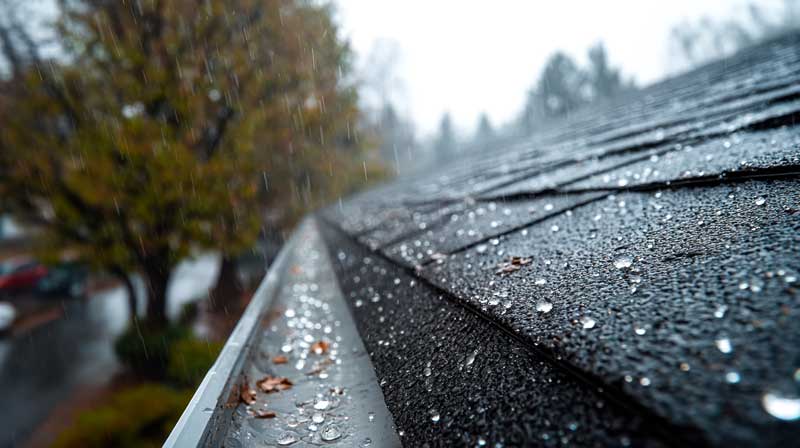
- Water Damage: Rain can lead to leaks if your roof isn’t watertight.
- Ice Dams: In winter, ice can build up at the roof’s edge, preventing proper drainage and causing leaks.
- Wind Damage: High winds can loosen shingles or even tear them off entirely.
- UV Damage: Prolonged sun exposure can degrade roofing materials, leading to cracks and fading.

Get YouHassle Free Quote
Ask About Seasonal Discounts

Identifying Vulnerable Areas of Your Roof
To effectively protect your roof, begin by identifying its most vulnerable areas. Different roofing materials offer varying levels of weather resistance, so knowing your roof’s material type is key.
Key Components to Inspect
- Shingles: Check for curling, cracking, or missing shingles.
- Flashing: Inspect the metal strips where the roof meets walls and chimneys.
- Gutters: Clogged gutters can cause water to back up, leading to leaks.
How to Protect Your Roof from Seasonal Weather Damage Effectively
Regular maintenance is essential in extending the lifespan of your roof. Below are actionable steps you can take:
Regular Maintenance Checklist
- Inspect your roof at least twice a year, often in spring and fall.
- Remove debris like leaves and branches to prevent blockages.
- Clean gutters and downspouts to ensure proper drainage.
Importance of Roof Inspections
Conducting regular roof inspections helps you catch potential issues before they escalate.
Frequency of Inspections
- During the fall, after leaves have fallen, and again in early spring.
Signs That Your Roof Needs Attention
- Missing or damaged shingles
- Water stains on ceilings
- Mold or algae growth
Effective Cleaning Techniques
Cleaning your roof can prevent debris buildup that leads to damage. Here are a couple of effective approaches:
- Debris Removal: Use a blower or broom to clear leaves and branches.
- Gutter Cleaning: Keep gutters free of debris to promote proper drainage.
Emergency Repairs and Solutions
While regular maintenance protects your roof, issues can still arise. Here are tips for managing emergency repairs:
Temporary Fixes for Severe Damage
- Tarps: For immediate protection against leaks, cover damaged areas with tarps until professional repairs can be made.
When to Call a Professional
If you encounter significant damage or aren’t comfortable performing inspections and renovations, it’s advisable to consult a professional roofing contractor. Better yet, some companies provide comprehensive maintenance plans to address potential issues before they become critical.
For more extensive roofing solutions and professional advice, companies like GAF Roofing offer resources and services to keep your roof in top shape.
By following these guidelines on how to protect your roof from seasonal weather damage effectively, you can ensure that your home remains safe and secure year-round.
Seasonal Preparations
Being proactive with seasonal preparations is key to how to protect your roof from seasonal weather damage effectively. Adjusting your approach based on seasonal conditions can help extend the life of your roof and prevent costly repairs.
Winter Preparations
During the winter months, proper preparation can prevent severe weather damage:
- Insulating Your Attic: Proper insulation helps maintain temperature stability within your home, which can prevent ice dam formation on your roof.
- Ice Dam Prevention: Installing heat cables along the eaves can help prevent ice buildup, allowing for proper drainage.
Spring Preparations
After the harsh winter, a thorough inspection is vital:
- Checking for Winter Damage: Look for signs of ice damage, such as missing shingles or leaks, to address issues before spring rains arrive.
- Replacing Missing Shingles: Ensure all shingles are intact to prevent water intrusion.
Summer and Fall Considerations
As temperatures rise and storms increase, it’s important to prepare accordingly:
- UV Protection: Consider applying a protective coating to your roof, which can shield it from deteriorating under UV exposure.
- Storm Preparation Tips:
- Trim overhanging branches to prevent them from falling during high winds.
- Review your insurance policy to ensure it covers storm damage.
By understanding the specific needs of your roof during different seasons, you can take actionable steps on how to protect your roof from seasonal weather damage effectively. For more guidance and resources, visit Owens Corning to explore roofing solutions tailored to your needs.
Emergency Repairs and Solutions
Even with proactive measures in place, emergencies can still occur. Knowing how to address urgent roofing issues is essential for maintaining safety and minimizing damage. Here are some steps and considerations for managing emergency repairs effectively.
Temporary Fixes for Severe Damage
When faced with significant roof damage, a quick response is crucial:
- Use Tarps: If a leak develops during a storm, cover the affected area with a tarp to prevent further water intrusion until professional help is available.
- Sealant Application: For small leaks, applying roofing sealant can provide a temporary fix. Ensure the area is dry before applying the sealant to ensure adhesion.
When to Call a Professional
While some minor repairs can be handled independently, there are situations where professional assistance is necessary:
- Structural Damage: If you notice sagging or visible cracks in the roof, it’s vital to call a roofing expert immediately, as structural integrity may be compromised.
- Extensive Shingle Damage: If multiple shingles are missing or damaged, a professional will have the expertise and materials to make comprehensive repairs.
By understanding proactive maintenance and having a plan for emergency repairs, you significantly enhance your ability to protect your roof from seasonal weather damage effectively. For reliable roofing services, consider reaching out to established companies like ABC Supply, which can provide guidance and assistance for any roofing issues you may face.
Long-Term Investments for Roof Protection
Investing in the right materials and strategies for your roof can significantly enhance its durability and performance. Understanding how to protect your roof from seasonal weather damage effectively involves considering long-term solutions that can save you from costly repairs down the line.
Roofing Materials and Their Lifespan
Choosing the right roofing materials is crucial in determining how well your roof withstands various weather conditions. Here’s an overview of common materials and their lifespan:
- Asphalt Shingles: Approximately 15-30 years, these are cost-effective but may require more maintenance in harsh weather.
- Metal Roofing: Lasts 40-70 years and is highly durable against extreme conditions, making it a great long-term investment.
- Slate Roofs: Known for their longevity (up to 100 years), they can be expensive but offer exceptional resilience.
Installing a Roof Coating
Another effective long-term strategy to protect your roof includes applying a roof coating. This additional layer can:
- Enhance Lifespan: Roof coatings can extend the life of your existing roof by providing an extra barrier against harsh weather.
- Reflect UV Rays: Many coatings have reflective properties that can help reduce energy costs and keep your home cooler.
- Seal Minor Leaks: Roof coatings can effectively seal small cracks and leaks, preventing water damage.
By making informed decisions about roofing materials and considering the application of roof coatings, you create a proactive stance on how to protect your roof from seasonal weather damage effectively. For more information on durable roofing solutions and high-quality materials, consider visiting CertainTeed, a leading name in the roofing industry.
Conclusion
In conclusion, understanding how to protect your roof from seasonal weather damage effectively is essential for every homeowner. By being proactive and implementing the strategies discussed throughout this blog, you can ensure that your roof remains in excellent condition year-round.
Recap of Protective Measures
Effective roof protection involves a combination of routine maintenance, seasonal preparations, and thoughtful investments. Here’s a quick recap of essential actions:
- Regular Inspections: Conduct twice-yearly inspections to identify potential issues before they worsen.
- Debris Removal: Keep your roof and gutters clear of debris to prevent water backing up and causing damage.
- Seasonal Preparations: Tailor your maintenance efforts based on seasonal weather patterns to avoid extensive damages.
- Invest in Quality Materials: Choose durable materials and consider roof coatings to enhance protection.
Encouragement to Act Now
The health of your roof directly impacts the safety and comfort of your home. Don’t wait for a small issue to become a major problem. Take proactive steps today to safeguard your investment. If you need further information or assistance with your roofing needs, reputable companies such as Lowe’s can offer valuable resources and professional services to help you maintain the integrity of your roof.
By being diligent and informed, you’ll significantly reduce the risk of seasonal weather damage and prolong the life of your roof, keeping your home secure for years to come.
Additional Resources for Homeowners
To further enhance your understanding of how to protect your roof from seasonal weather damage effectively, it’s helpful to explore additional resources and tools available to homeowners. Knowledge is power when it comes to maintaining a safe and secure roof.
Online Resources
Several reputable websites offer information and tips for homeowners regarding roofing care:
- National Roofing Contractors Association (NRCA): Provides guidelines on proper maintenance and resources to find professional help. Visit their website at nrca.net.
- Roofing Manufacturer Websites: Companies like GAF, Owens Corning, and Certainteed offer extensive resources, including warranties and installation guides to help you choose the best products for weather resistance.
Mobile Apps
Exploring mobile applications focused on home maintenance can help you track tasks and schedule inspections. Apps may include:
- Home Maintenance Calendars: These can remind you when it’s time for inspections or important seasonal tasks.
- DIY Repair Tutorials: Video platforms like YouTube can provide visual guidance for minor roofing repairs.
By utilizing these resources, you can empower yourself with the knowledge needed to effectively protect your roof from seasonal weather damage. Staying informed and proactive will help ensure your roof remains a strong barrier against the elements.
Common Mistakes to Avoid
When it comes to maintaining your roof, knowing how to protect your roof from seasonal weather damage effectively also means being aware of common pitfalls that can lead to damage. Avoiding these mistakes can save you money and extend the life of your roof.
Ignoring Minor Damage
Small issues can quickly escalate into major problems if not addressed promptly. Here are common minor issues to watch out for:
- Missing Shingles: Replacement can prevent leaks.
- Small Leaks: While they may seem insignificant, even minor leaks can lead to mold growth and structural damage over time.
Neglecting Regular Maintenance
Some homeowners assume that once a roof is installed, it requires little to no upkeep. Regular maintenance is crucial to roof longevity. Consider these maintenance tips:
- Schedule Inspections: Aim for at least two inspections per year.
- Clean Gutters Regularly: Clogged gutters can lead to water pooling and ice dams.
DIY Repairs Without Expertise
While DIY can save money, not every roofing task is suitable for a novice. Specific repairs require professional knowledge to ensure safety and effectiveness:
- Improper Shingle Installation: Without proper techniques, new shingles may not seal correctly, leading to leaks.
- Dangerous Heights: Roof work can be hazardous; use professionals when in doubt.
FAQs
What are the signs that my roof needs repair?
Common signs that your roof may need repair include missing or damaged shingles, visible leaks inside your home, dark spots on ceilings, and excessive granules in your gutters. If you notice any of these issues, it’s important to address them promptly to prevent further damage.
How often should I inspect my roof?
It’s recommended to inspect your roof at least twice a year—once in the spring and once in the fall. Additionally, conducting inspections after severe weather events can help identify any damage that may have occurred.
Can I clean my roof myself?
While some minor cleaning tasks can be done by homeowners, such as removing debris from gutters, it’s generally best to hire a professional for roof cleaning. Professionals have the necessary equipment and experience to safely clean roofs without causing damage.
How can I prevent ice dams in winter?
To prevent ice dams, ensure your attic is properly insulated and ventilated to keep the roof cold. Additionally, removing snow buildup after heavy snowfall and installing heat cables can help maintain drainage and prevent ice formation.
Are metal roofs more durable against weather damage?
Yes, metal roofs are known for their durability and can withstand severe weather conditions like high winds, heavy rain, and snow. They often have a longer lifespan than traditional asphalt shingles, making them an effective long-term investment.

Leave a Reply