
Top Roofing Materials for Lasting Protection
When it comes to protecting your home, the right roofing materials can make all the difference. Did you know that the choice of roofing can not only influence your home’s aesthetic appeal but also its energy efficiency and overall value? With a variety of options available in today’s market, selecting the best roofing materials can feel overwhelming. Whether you’re building a new home or upgrading an existing roof, understanding the different types of materials and their benefits is essential for making a sound investment. In this blog post, we will explore the top roofing materials available, their advantages and disadvantages, as well as the key factors you should consider when making your selection. Let’s dive in to find the perfect roofing solution for your home!
Understanding the Importance of Quality Roofing Materials
Choosing the right roofing materials is crucial for ensuring the longevity and protection of your home. Quality roofing materials play a significant role in safeguarding your property from harsh weather conditions, pests, and environmental wear and tear. Here are key reasons why the selection of roofing materials matters:
- Durability: High-quality roofing materials can withstand extreme weather conditions, including heavy rain, wind, and snow.
- Protection: The right materials enhance the protection against leaks and structural damage.
- Energy Efficiency: Certain roofing materials reflect UV rays, which can help lower cooling costs in warmer climates.
- Aesthetic Appeal: Quality materials can improve your home’s curb appeal, potentially increasing its market value.
Your choice of roofing materials can affect your home’s overall energy efficiency. Eco-friendly options, for instance, not only reduce your carbon footprint but can also provide significant savings on energy bills. To learn more about sustainable choices, check out CertainTeed for eco-friendly roofing solutions.

Get YouHassle Free Quote
Ask About Seasonal Discounts
Common Types of Roofing Materials
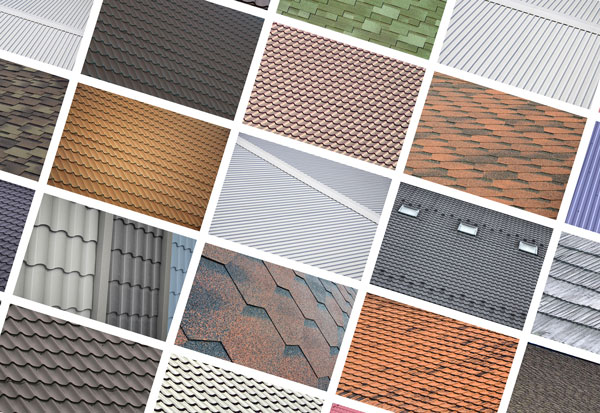
When it comes to roofing, various materials cater to different needs and preferences. Here’s a breakdown of some common roofing materials:
Asphalt Shingles
Asphalt shingles are the most popular roofing materials in the U.S. due to their affordability and ease of installation.
- Pros: Cost-effective, easy to install, and available in diverse colors.
- Cons: Shorter lifespan compared to other materials (about 20-30 years).
Metal Roofing
Metal roofs are gaining popularity thanks to their durability and energy efficiency.
- Benefits: Excellent longevity (up to 50 years), fire-resistant, and recyclable.
- Installation Considerations: Requires a professional installation to ensure proper sealing.
Slate Roofing
Slate shingles are known for their stunning visual appeal and durability.
- Aesthetic Value: Available in various colors and thicknesses.
- Maintenance Tips: Regular inspections are crucial to prevent water leakage.
Tile Roofing
Tile roofing, made from clay or concrete, offers a unique look and resilience.
- Type of Tiles: Available in flat, curved, or interlocking designs.
- Climate Suitability: Ideal for warmer climates but can be heavy, requiring proper structural support.
Wood Shake Shingles
Wood shakes provide a natural appearance and excellent insulation.
- Natural Appeal: A rustic look that blends well with natural surroundings.
- Fire Safety Considerations: Requires treatment to improve fire resistance.
By understanding these roofing materials, homeowners can make informed decisions that enhance the safety, functionality, and beauty of their homes.
Get YouHassle Free Quote
Ask About Seasonal Discounts
Get YouHassle Free Quote
Ask About Seasonal Discounts
Emerging Trends in Roofing Materials
The roofing industry is continuously evolving, with new technologies and materials emerging to meet various needs. Keeping an eye on these trends can help homeowners and builders make informed decisions. Below, we explore some of the latest developments in roofing materials that offer durability and sustainability.
Eco-friendly Roofing Options
As sustainability becomes a priority for many homeowners, eco-friendly roofing materials are gaining traction. Here are some popular choices:
- Recycled Shingles: Made from post-consumer materials, reducing waste.
- Cool Roofing: Reflective materials that decrease energy consumption by reducing heat absorption.
- Green Roofs: Incorporating vegetation, these roofs provide natural insulation and help manage rainwater.
Energy-efficient Materials
Energy-efficient roofing materials not only enhance the comfort of your home but can also lead to lower utility bills. Types of energy-efficient materials include:
- Solar Panels: Integrated roofing systems that harness solar energy.
- Metal Roofing: Reflects solar heat, keeping homes cooler in summer.
- Insulated Roofs: Materials designed to minimize thermal transfer and improve insulation.
Advances in Roofing Technology
Technological innovations continue to impact roofing materials, allowing for better performance and longevity. Recent advancements include:
- Smart Roofing Systems: These utilize sensors to monitor roof conditions and weather changes for timely maintenance.
- Self-cleaning Materials: Coatings that repel dirt and algae, reducing maintenance efforts.
- Durable Composites: New composite materials that simulate traditional options like wood or slate while offering greater durability and lower weight.
Staying updated on these emerging trends in roofing materials can lead to greater energy efficiency and sustainability, reflecting a homeowner’s commitment to responsible living. For those looking to explore innovative roofing solutions, GAF provides a wide range of options designed for modern homes.
Budget and Cost-effectiveness
Your budget is an important consideration when selecting roofing materials. Analyze the following:
- Initial Costs: Determine how much you can afford to spend on roofing installations.
- Long-term Savings: Remember to consider the lifespan and maintenance costs of different materials; sometimes, higher upfront costs can result in savings over time.
- Resale Value: Quality roofing materials can increase your home’s market value, making it a worthwhile investment.
FAQ: Common Questions About Top Roofing Materials for Lasting Protection
The most common types of roofing materials include asphalt shingles, metal roofing, slate, tile, and wood shakes. Each of these options has its unique benefits and drawbacks, making them suitable for different climates, budgets, and aesthetic preferences. Asphalt shingles are popular for their affordability, while metal roofing is favored for its durability and energy efficiency.
How long do roofing materials typically last?
The lifespan of roofing materials varies widely. Asphalt shingles usually last between 20 to 30 years, metal roofing can last 40 to 70 years, and slate roofing is known for its extraordinary longevity, often exceeding 100 years. Tile roofing generally lasts 50 years or more, while wood shakes may last around 30 years with proper maintenance.
How much do roofing materials cost?
The cost of roofing materials can vary significantly based on the type and quality of the material, as well as regional pricing differences. On average, asphalt shingles can cost between $90 and $100 per square, while metal roofing may range from $150 to $600 per square. Slate and tile roofing materials can be more expensive, often exceeding $500 per square, but they offer longer lifespans and aesthetic benefits.
Are eco-friendly roofing options available?
Yes, there are several eco-friendly roofing options available, including recycled shingles, cool roofs, and green roofs. Many manufacturers offer products made from recycled materials, while cool roofs are designed to reflect sunlight and reduce energy consumption. Green roofs incorporate vegetation and can provide natural insulation while absorbing rainwater.
What factors should I consider when choosing roofing materials?
When selecting roofing materials, consider factors such as climate, budget, longevity, energy efficiency, and aesthetic preferences. Think about your local weather conditions and how well the materials will perform over time. Additionally, assess the initial and long-term costs, as well as the maintenance requirements to ensure that your chosen roofing materials are the best fit for your home.
Leave a Reply